“new buyers” search results (800)

Introduction to the characteristics of Flavor description and Grinding degree of Yisopiajajara Coffee in Kenya
Kenyan coffee is mostly grown at 15002100 meters above sea level and is harvested twice a year. To ensure that only ripe berries are picked, people must tour the forest about seven times. Kenyan coffee is grown by small farmers. After they harvest the coffee, they first send the fresh coffee beans to the cooperative cleaning station, where the washed and dried coffee is covered with parchment beans.
2016-10-24 Kenya Yesso Pia Hara Coffee Flavor description Grinding characteristics varieties
After the drought in Yunnan affected the production of 30,000 mu of coffee for many years, the price went down again.
The continuous drought in Yunnan Province has had a great impact on the important local coffee industry. Data released by the Yunnan Coffee Association show that due to the impact of drought, about 30,000 mu of coffee in Baoshan and other places has been affected, which may lead to a 5% to 10% reduction in coffee production in the province, with an estimated economic loss of tens of millions of yuan. Simaomu, a subsidiary of Starbucks Aichi Coffee (Yunnan) Co., Ltd. (hereinafter referred to as Aichi Coffee).
2014-04-27 Yunnan drought disaster ten thousand mu coffee expand production for many years and then prices lower
Introduction to the characteristic planting environment of Kenyan boutique coffee bean flavor and taste manor
Kenya is divided into seven provinces (PROVINCE) and one provincial special district (Nairobi province). The following provinces are divided into districts (DISTRICT), townships (DIVISION) and villages (LOCATION). Under the new constitution, the four-tier administrative structure will be changed to the central and county (COUNTY) levels. The 47 counties established under the new constitution will be officially operational after the 2013 general election. The seven provinces are: central Kenya
2016-08-18 Kenya boutique coffee beans flavor taste manor producing area characteristics planting ring
Kenya AA Coffee Bean
Flavor Taste Characteristics: Rich aroma, balanced acidity. Coffee is a part of African life, whether in the most remote parts of the Great Rift Valley, or in the Maasai nomadic Masai Mara steppe, whether urban or rural, can always smell the aroma of coffee, and look for incense to go, stay, taste, with a cup of coffee to carve those endless African time. Kenya is located in Ethiopia.
2014-06-30 Kenya AA Kenya AA Coffee Bean Fine Coffee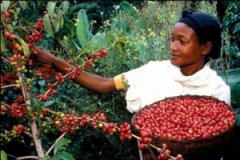
The Coffee War in Kenya
The quality of Kenyan caffeine is widely praised in the global market, known as "black gold" in the industry, but the industry has long been monopolized by Western multinationals. To this end, Kenya wants to attract Chinese and other Asian investors to the market, thus intensifying the business game.
2014-05-28 Coffee culture coffee knowledge Kenyan coffee
Introduction of washed Rwanda coffee beans classification of fine coffee
Rwandans have been growing coffee since colonial times, but until 1999, its products were still classified as below Class C and were not popular in the global market. The reason for the poor quality is that farmers do not have a fixed procedure for washing coffee beans and do not process coffee fruits according to specifications in time. Buyers buy coffee beans at $0.33 per kilogram, and farmers keep warm by the meagre profits earned at low prices.
2016-06-28 Washing Rwanda coffee beans introduction boutique coffee classification people from
Kenya coffee bean producer model coffee producing country
Kenya, located in East Africa, is one of the countries in the world that attach importance to the production of high-quality coffee. The quality of coffee is managed by the government and technical guidance is its main feature. After the harvest of Kenyan coffee, it must be purchased and cup tested by Coffee Board of Kenya and CBK set up by the government, and the samples will be sent to the buyers. An auction held in the capital Nairobi
2015-02-16 Kenya coffee beans place of production coffee model producing country
The rich and fragrant coffee flavor and taste of the Yega Fischer Manor in Ethiopia.
In February 1977, Lieutenant Colonel Mengistu Haier Maryam (MENGISTU HAILE MARIAM) launched a military coup and served as Chairman of the interim military Administrative Council and head of State. In 1979, the Ethiopian Labor people's Party Organization Committee, dominated by soldiers, was established to implement an one-party system. In 1984, the Ethiopian Workers' Party was formed according to the Soviet Communist Party model. Mengistu, September 1987
2016-09-03 Taste rich fragrant Ethiopia Yega Sheffiko Cher Manor Coffee
The origin of coffee beans in Rwanda Coffee bean powder is too weak.
The Rwandans of origin have been growing coffee since colonial times, but until 1999, its products were still classified as below Class C and were not popular in the global market. The reason for the poor quality is that farmers do not have a fixed procedure for washing coffee beans and do not process coffee fruits according to specifications in time. Buyers buy coffee beans at $0.33 per kilogram, and farmers rely on the meagre profits earned at low prices.
2016-06-13 Rwanda coffee beans origin coffee bean powder brewing too light
Flavor description of Ethiopian Coffee introduction to planting Environment
Large-scale coffee-growing villages account for about 35% of the country's total coffee production. These coffee farms, which use a multi-tier coffee planting system, are carefully cared for. Coffee farmers do not use chemical fertilizers, but use fallen leaves and animal and plant debris to increase soil nutrition. In addition to coffee, farmers also frequently grow non-coffee crops. It even accounts for the total amount of coffee in the country.
2016-09-19 Ethiopia coffee flavor description planting environment introduction large area
Eastern Taiwan alternative cuisine sashimi sashimi with coffee tastes strange
The most important catch is the most precious swordfish, and Mr. Lin Baoshan, the owner of Jiabin swordfish store located in Chenggong fishing port, has the most accurate and professional vision for fishing and export for nearly 40 years. For the selection of fish goods, always with the slightest spirit to select the top fish for customers, but also to win Japanese awards and the belief of buyers from all over Taiwan, it is Taitung.
2014-04-27 Taiwan alternative gourmet swordfish fish fillet matching coffee taste first want
Pu'er coffee accounts for half of the country's Nestl é purchases of 1/3 a year.
At present, the planting area and output of Pu'er coffee has accounted for half of the country, among which Nestle has become the largest buyer of Pu'er coffee (commercial coffee rice), accounting for about 1/3 of the total Pu'er coffee every year.
2014-06-10 Coffee news
The planting area and output of Pu'er coffee account for half of the country.
At present, the planting area and output of Pu'er coffee has accounted for half of the country, among which Nestle has become the largest buyer of Pu'er coffee (commercial coffee rice), accounting for about 1/3 of the total Pu'er coffee every year.
2014-07-09 Pu'er Coffee planting Coffee Manor
Hainan organized a delegation to participate in the 2014 Guangzhou Travel Expo Coffee booth is very popular.
Hainan led a delegation to participate in the 2014 China (Guangdong) International Tourism Industry Expo held in Guangzhou from August 29 to 31. (photo by correspondent Cai Yun) Hainan led a delegation to participate in the 2014 China (Guangdong) International Tourism Industry Expo held in Guangzhou from August 29 to 31. The picture shows Guangzhou citizens scrambling to taste Chengmai coffee. (photo by correspondent Cai Yun) Nanhai net, Guangzhou, August 30 (Nanhai net reporter Huang Dan)
2014-08-30 Coffee News Hainan Coffee Guangzhou Tourism Expo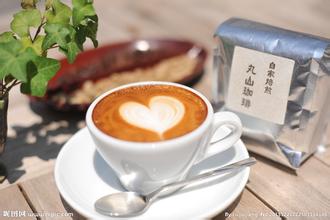
An introduction to the characteristics of the manor producing area with a rich taste of Rwanda boutique coffee
Rwandans have been growing coffee since colonial times, but until 1999, its products were still classified as below Class C and were not popular in the global market. The reason for the poor quality is that farmers do not have a fixed procedure for washing coffee beans and do not process coffee fruits according to specifications in time. Buyers buy coffee beans at $0.33 per kilogram, and farmers keep warm by the meagre profits earned at low prices.
2016-09-07 Taste embellishment rich Rwanda boutique coffee flavor taste manor producing area
Rwanda Coffee Origin Rwanda Coffee Taste
Rwandans have been growing coffee since colonial times, but until 1999, its products were still classified as below Class C and were not popular in the global market. The reason for the poor quality is that farmers do not have a fixed procedure for washing coffee beans and do not process coffee fruits according to specifications in time. Buyers buy coffee beans at $0.33 per kilogram, and farmers keep warm by the meagre profits earned at low prices.
2016-05-29 Rwanda Coffee Origin Taste Human colonization Times from Open
History of Rwandan Coffee A brief introduction to the Origin of Rwandan Coffee
The taste of Rwandan coffee is extremely special. Rwandans have been growing coffee since colonial times, but until 1999, its products were still classified as below Class C and were not popular in the global market. The reason for the poor quality is that farmers do not have a fixed procedure for washing coffee beans and do not process coffee fruits according to specifications in time. Buyers buy coffee beans at $0.33 per kilogram, and farmers rely on low prices.
2016-05-25 Rwanda coffee history origin profile taste extreme special
The source of washed coffee from Rwanda
Rwandans have been growing coffee since colonial times, but until 1999, its products were still classified as below Class C and were not popular in the global market. The reason for the poor quality is that farmers do not have a fixed procedure for washing coffee beans and do not process coffee fruits according to specifications in time. Buyers buy coffee beans at $0.33 per kilogram, and farmers keep warm by the meagre profits earned at low prices.
2016-05-24 Water washing coffee Rwanda source people since colonization times from open
Introduction of World Fine Coffee beans
Taste: Kenya AA, round beans, thick flesh, good heat permeability, high precision, French baking, rich and sweet taste, mellow thickness, good expansibility, aroma and sweetness. People in the coffee industry all think that Kenyan coffee is one of its favorite products, because Kenyan coffee contains every feeling we want from a good cup of coffee.
2015-11-27 World boutique coffee beans introduction
The Origin of Rwandan Coffee Flavor Flavor Manor introduction to the Chilmel Manor in the Lute Xilo region of the Western Province
Rwandans have been growing coffee since colonial times, but until 1999, its products were still classified as below Class C and were not popular in the global market. The reason for the poor quality is that farmers do not have a fixed procedure for washing coffee beans and do not process coffee fruits according to specifications in time. Buyers buy coffee beans at $0.33 per kilogram, and farmers keep warm by the meagre profits earned at low prices.
2016-06-24 Rwanda Coffee Origin Flavor producing area Manor introduction Western Province Texi Mai